
Our oceans are facing widespread pollution, and it’s no secret. But you might not realize just how polluted they actually are. The scale of ocean pollution can be shocking and upsetting, especially for ocean lovers (which we all should be!).
Below, we’ve included 13 dirty facts about ocean pollution. But it’s not all doom and gloom. We’ve also included ways you can get involved in improving the situation our oceans face, as well as ideas for encouraging others to do the same.
1. One Million Animals Die Annually From Marine Debris
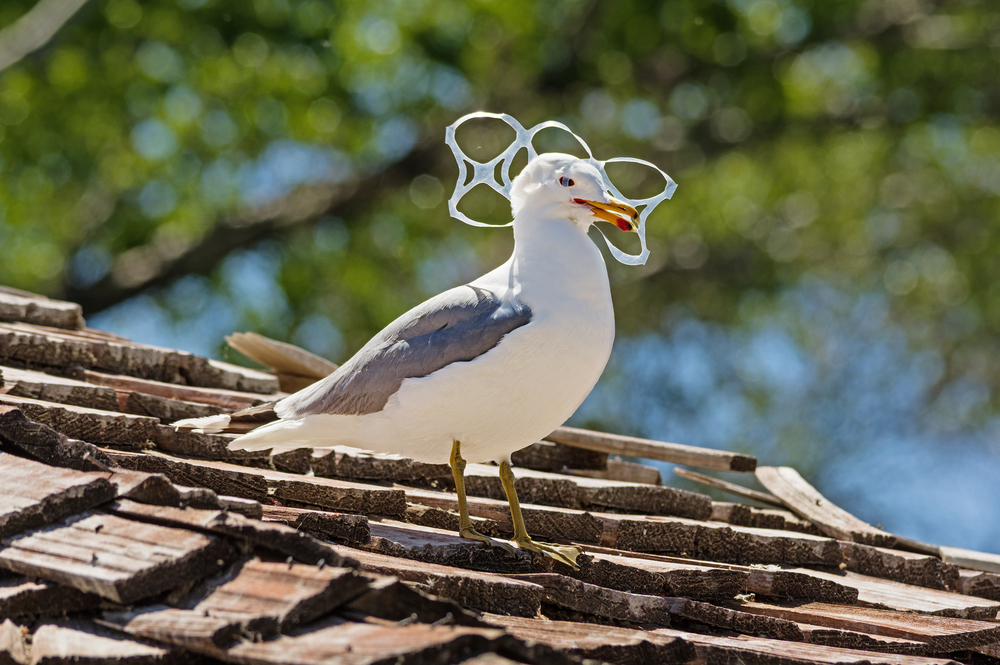
It is estimated that marine debris kills approximately one million marine animals every year. Discarded fishing nets and other plastic debris, including plastic bags, straws and plastic wrap, cause many of these deaths.
2. Over 5.25 Trillion Pieces of Plastic Trash Are in Our Oceans
According to National Geographic, an astounding 5.25 trillion pieces of plastic are estimated to be in our oceans. To put that number into perspective, there are just over 8 billion people on Planet Earth.
3. There Is an Ocean Garbage Patch Twice the Size of Texas
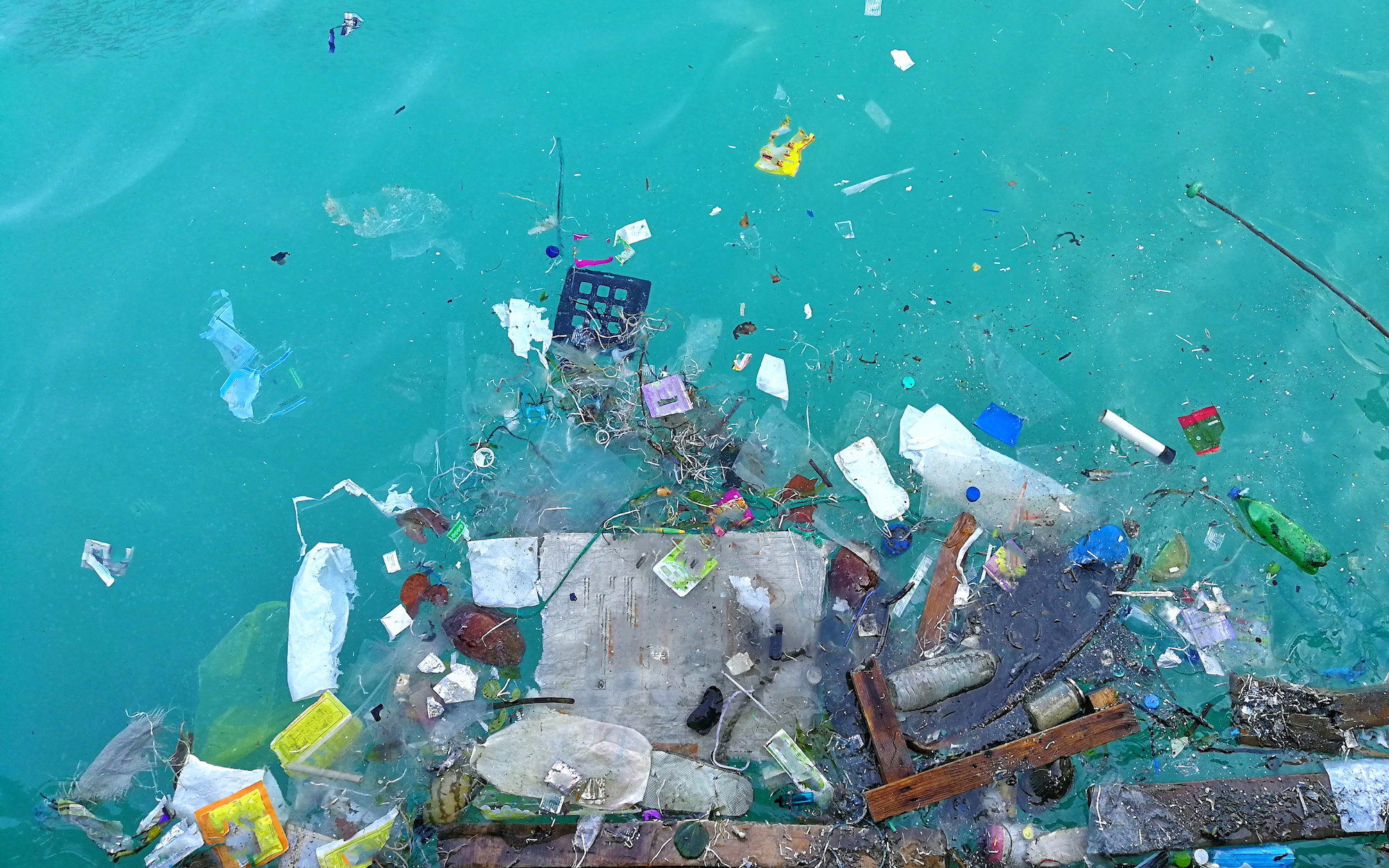
In the Pacific Ocean, you’ll encounter the world’s largest accumulation of ocean plastic — the Great Pacific Garbage Patch. Ocean currents within the Pacific Gyre cause floating debris to accumulate in this area of the ocean. Covering an estimated 1.6 million square kilometers (618,000 square miles), the Great Pacific Garbage Patch is roughly twice the size of the US state of Texas.
4. Human Activity Has Created Ocean ‘Dead Zones’
Ocean dead zones, also termed hypoxic areas, are places in which oxygen levels are so low that many marine organisms cannot survive. Although dead zones can occur naturally, human activity (particularly nutrient pollution) has resulted in more areas suffering from this condition.
5. Plastic Pollution Has Been Found in the Mariana Trench
The Mariana Trench is the deepest part of the ocean, reaching 11,034 meters (36,201 feet) in depth. However, it turns out that even the deepest reaches of the ocean are exempt from ocean pollution. Scientists have studied crustaceans in the Mariana Trench and found that they had ingested plastic.
6. Ocean Pollution Can Come From the Air
People don’t often associate air pollution with ocean pollution. However, the two actually go hand in hand. Burning fossil fuels releases carbon dioxide into the atmosphere, and the ocean absorbs some of it. This can affect the pH level of the ocean’s surface and contribute to ocean acidification.
7. Ocean Pollution Can Cross International Borders
It’s safe to say that no country is exempt from ocean pollution. However, waste is often transported across international borders for recycling or disposal, meaning the impacts of waste aren’t always confined to the country where it was originally produced.
8. Single-Use Plastics Are the Biggest Offenders
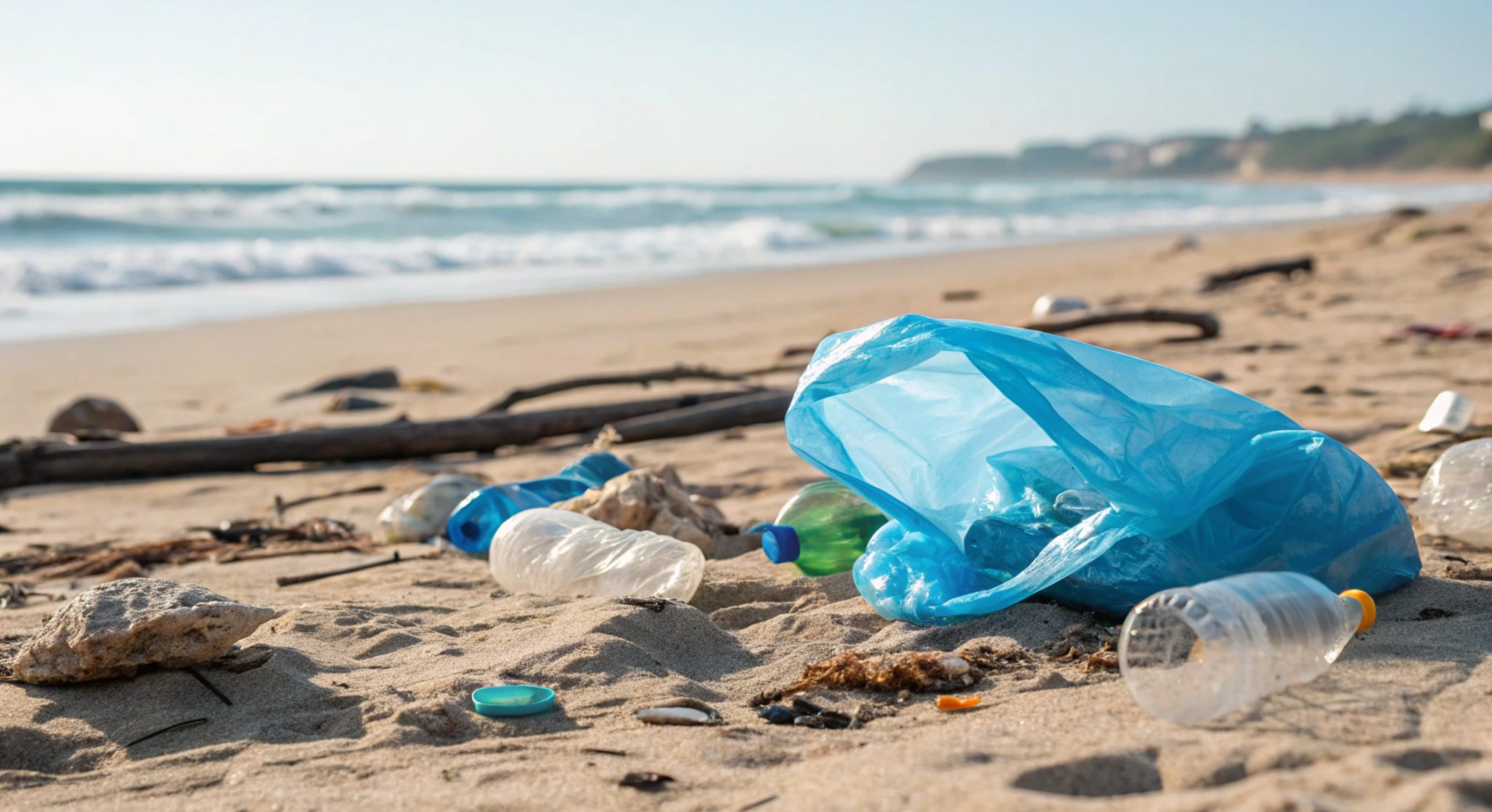
Single-use plastics are among the most common types of plastic polluting our oceans. This includes items like straws, takeaway cups and plastic silverware.
9. Marine Life Can Die From Plastic Ingestion
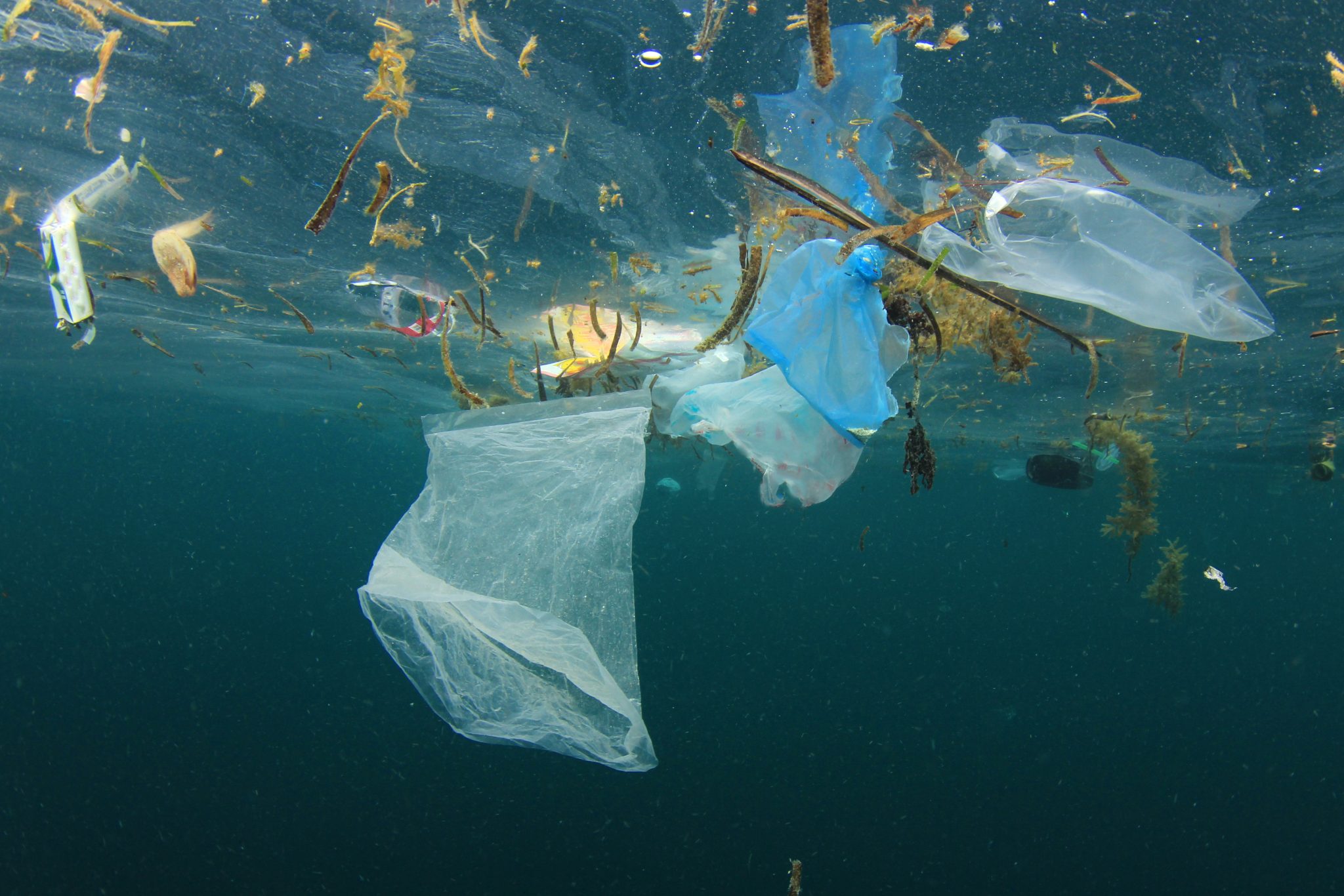
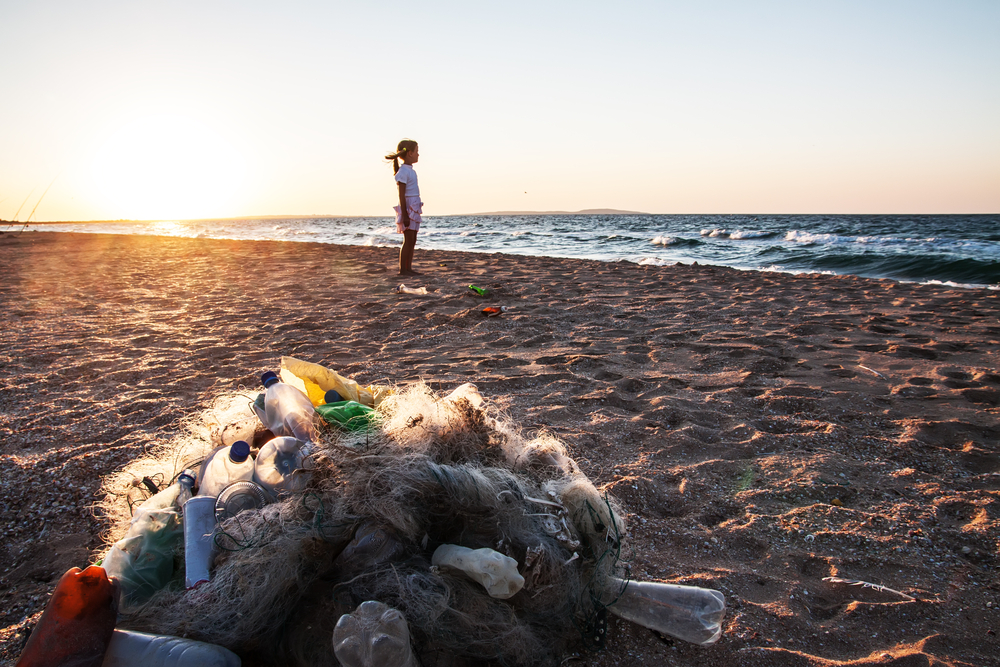
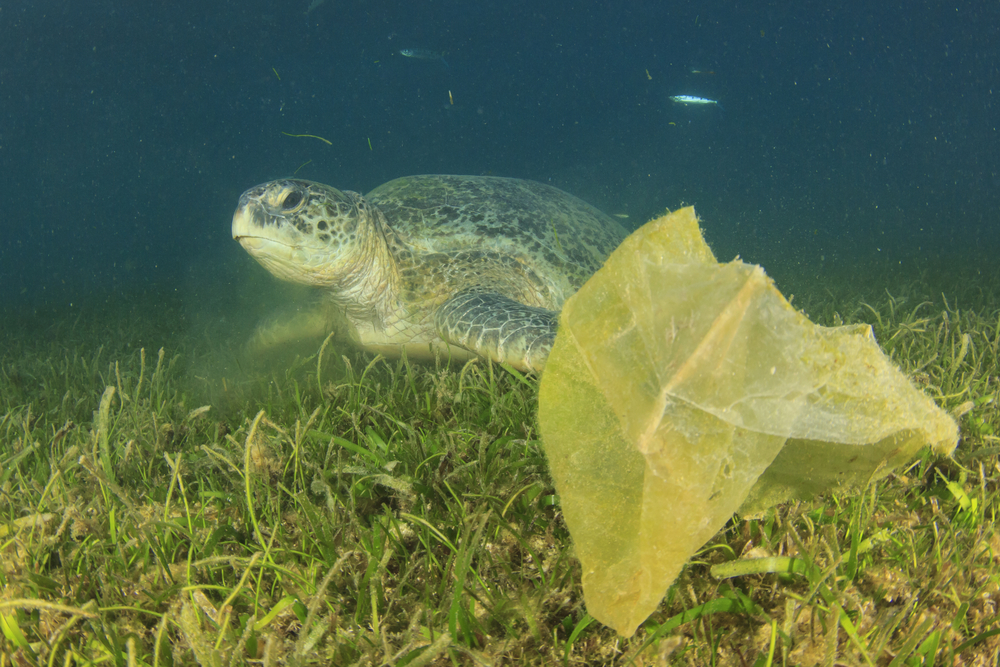
Marine species commonly mistake the plastic floating around as food and ingest it. These animals cannot properly digest plastic, and ingesting it can cause blockages, internal injuries and, unfortunately, death. Additionally, sunlight and heat can break down plastic into smaller particles called microplastics. Marine life may be even more likely to consume these particles.
10. The Ocean Is Also Getting Noisier
In addition to marine debris, the ocean is becoming noisier because of human activity. Construction, shipping, mining and other activities introduce noise pollution into the underwater environment. This can interfere with marine animals, affecting their ability to navigate, communicate and find food.
11. Eight Million Tonnes of Plastic Enter the Ocean Every Year
Eight million is a hefty number to come to terms with, yet this is the reality of the state of plastic pollution in the ocean. According to National Geographic, the plastic entering the ocean yearly is equivalent to “five garbage bags full of trash on every foot of coastline around the world.” In addition, because plastic is highly resistant to natural degradation, it can remain in the ocean for decades or even centuries.
12. Around 80% of Ocean Trash Comes From Land
You may think that the majority of the ocean pollution problem comes from fishing and water-based activities polluting the waterways. However, it’s estimated that around 20% of plastic entering the ocean comes from marine sources. The other 80% is from land-based human activities via rivers and coastlines. Think garbage disposal, littering and food industries.
13. Plastic May Outweigh Fish
At present, the human race dumps around 12 million metric tonnes of plastic into the ocean each year. If this dangerous trend continues, plastic in the ocean could outweigh fish by 2050, further disrupting the ocean’s natural balance. This projection highlights just how much the ocean could suffer from humanity’s continued actions.
How You Can Help Fight Ocean Pollution
One of the most effective ways we can all help to reduce ocean pollution is by becoming ambassadors for the oceans. When you learn to scuba dive, you come into direct contact with the underwater world and see firsthand the effects of pollution. You can then take action to help protect it by sharing your experiences to inspire other ocean lovers to take action.
Ready to become an ocean advocate? Start your PADI Open Water Diver Course online today with eLearning™.
What Can Divers Do?
After becoming a certified diver, there are endless ways you can help combat ocean pollution, both above and below the surface.
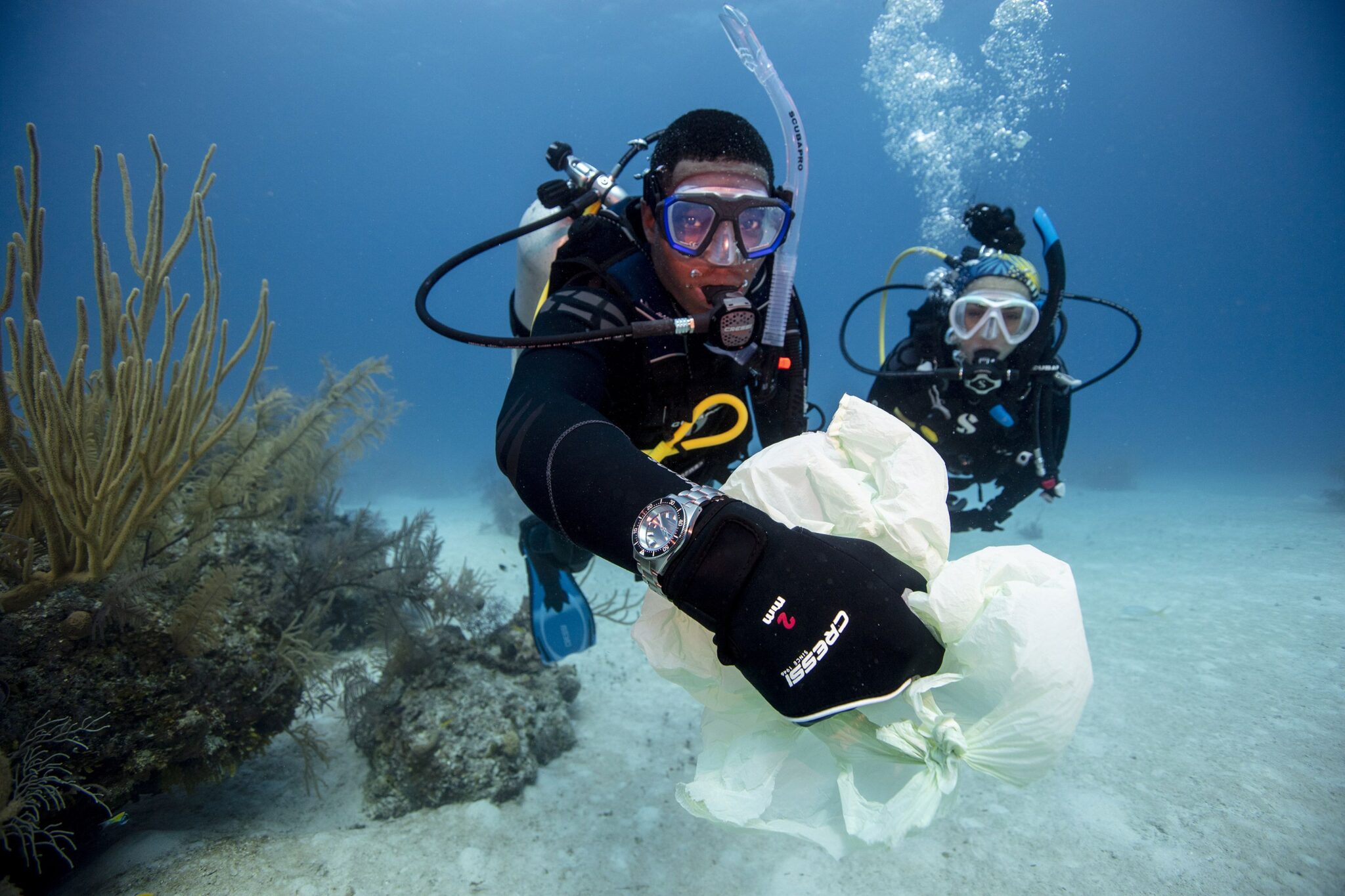
- Participate in Dive Against Debris® (Learn more: What is Dive Against Debris?)
- Become a Torchbearer for the ocean
- Educate friends and family on ocean pollution
- Encourage others to learn to dive
We all have a role to play in protecting our oceans. By taking action today, we can help create a healthier future for our oceans, marine life and generations to come. The time to act is now!